
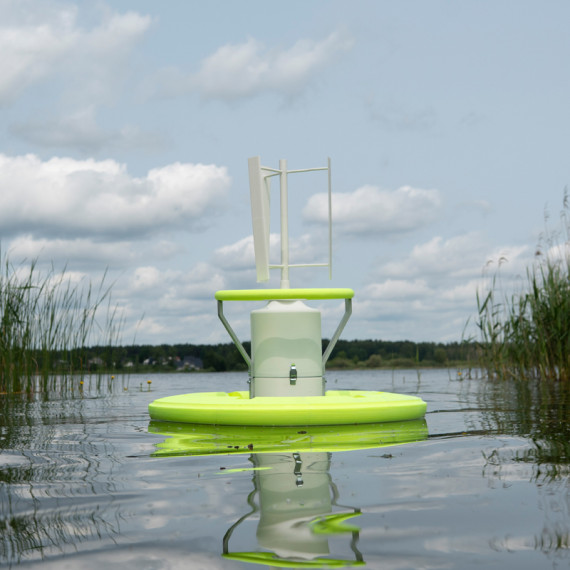
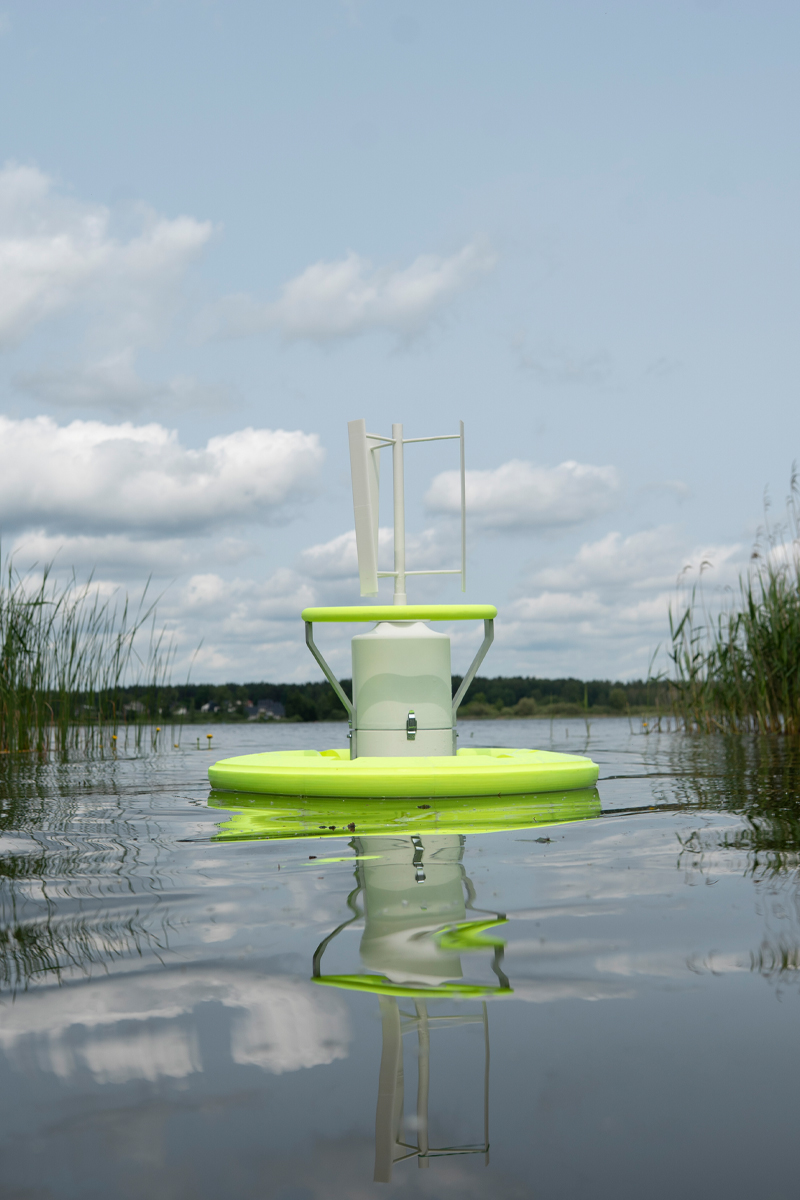
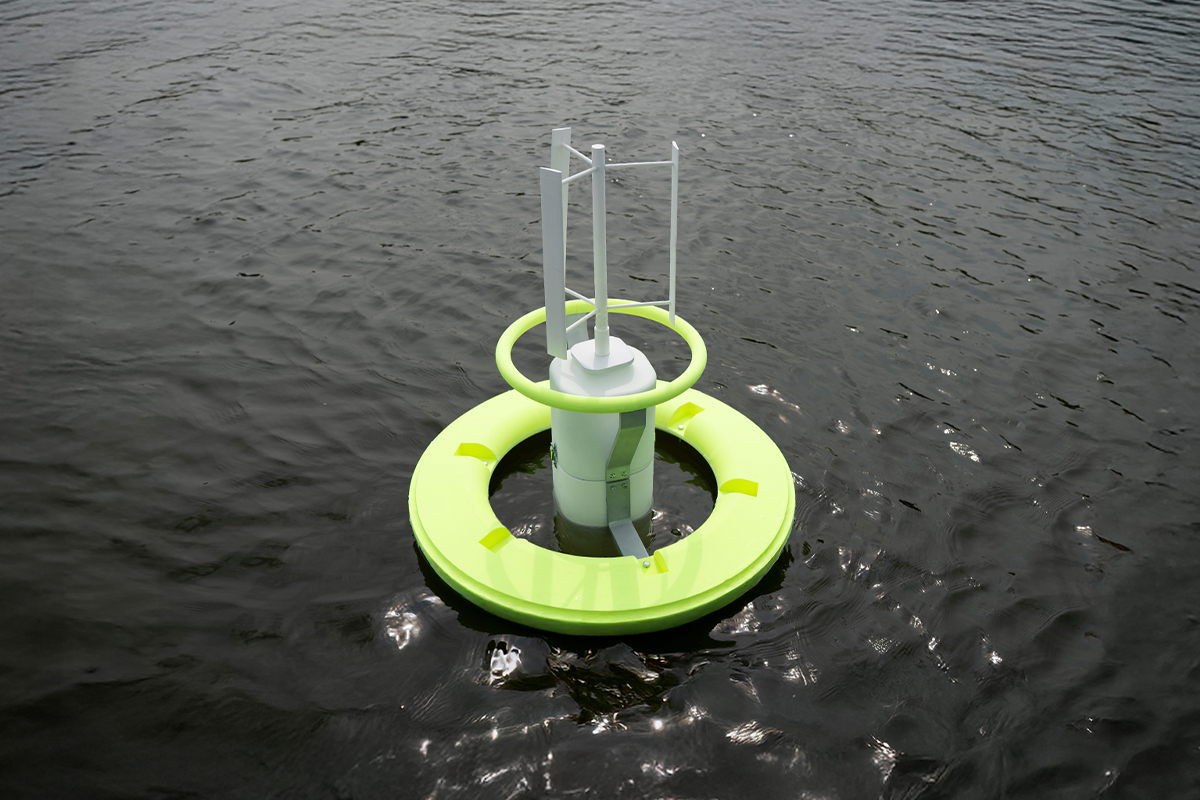
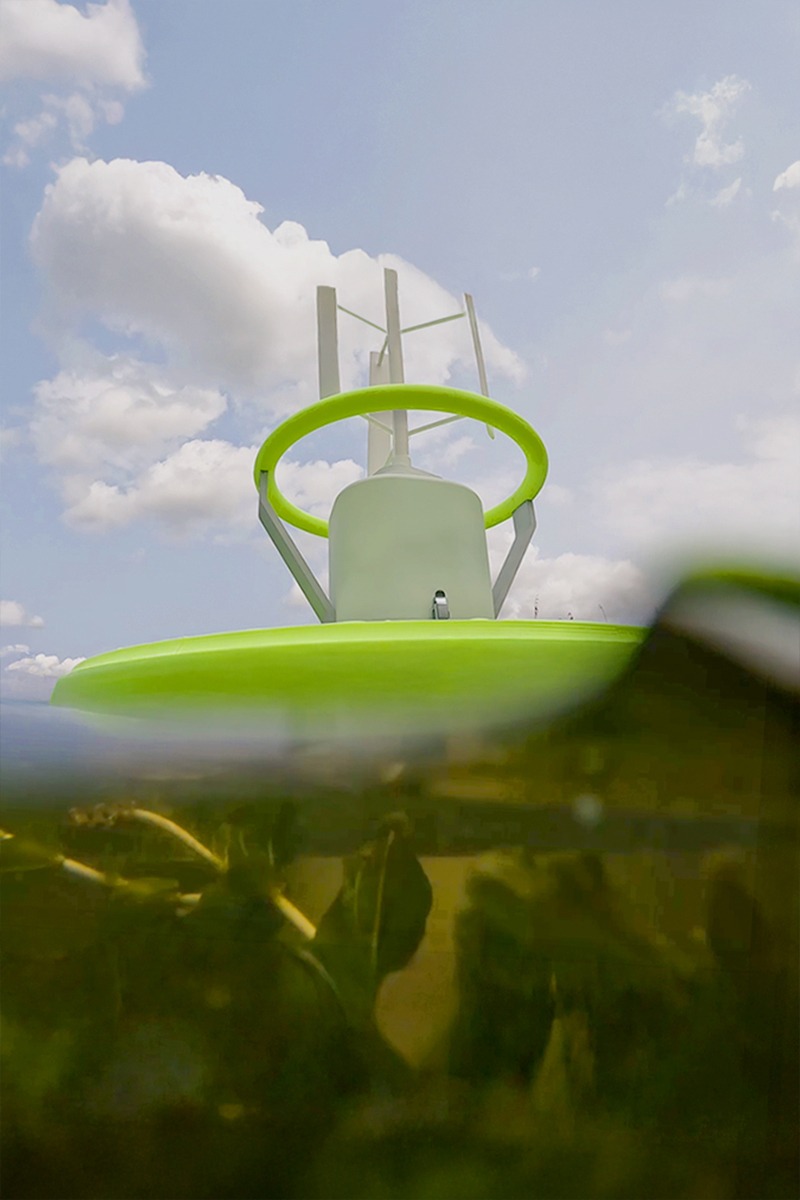
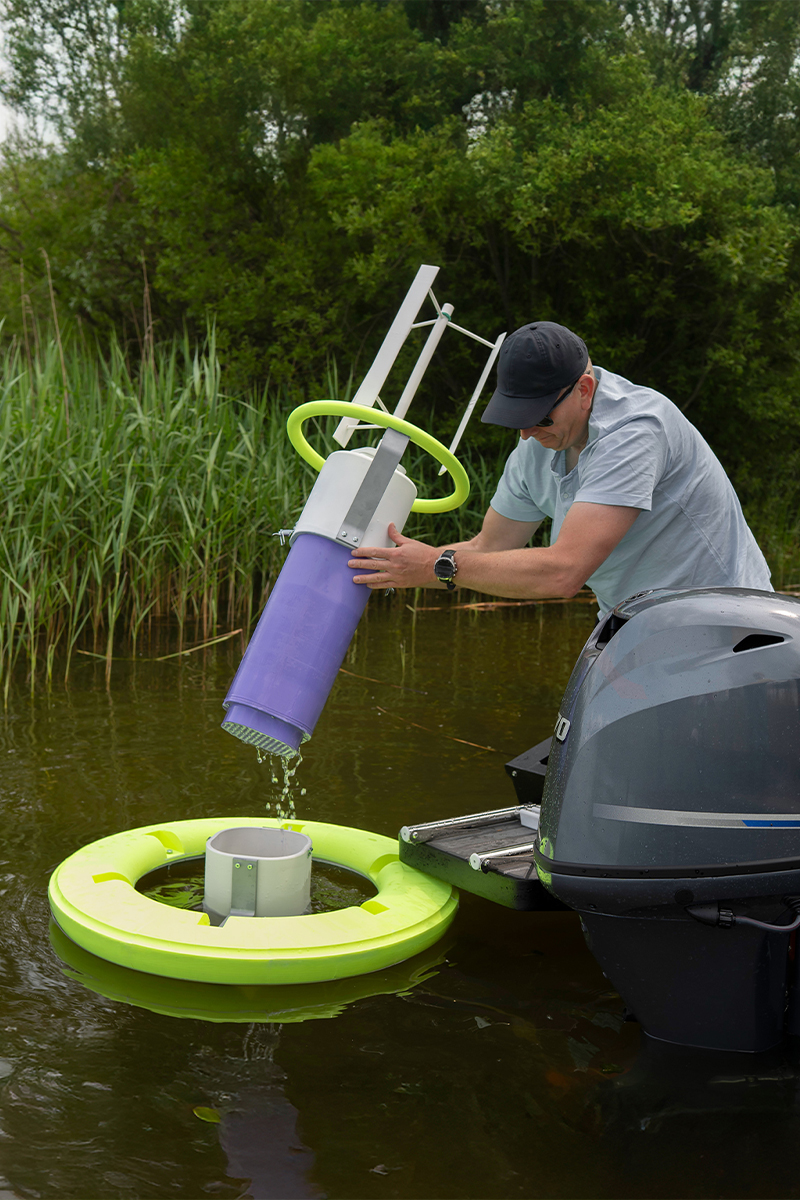
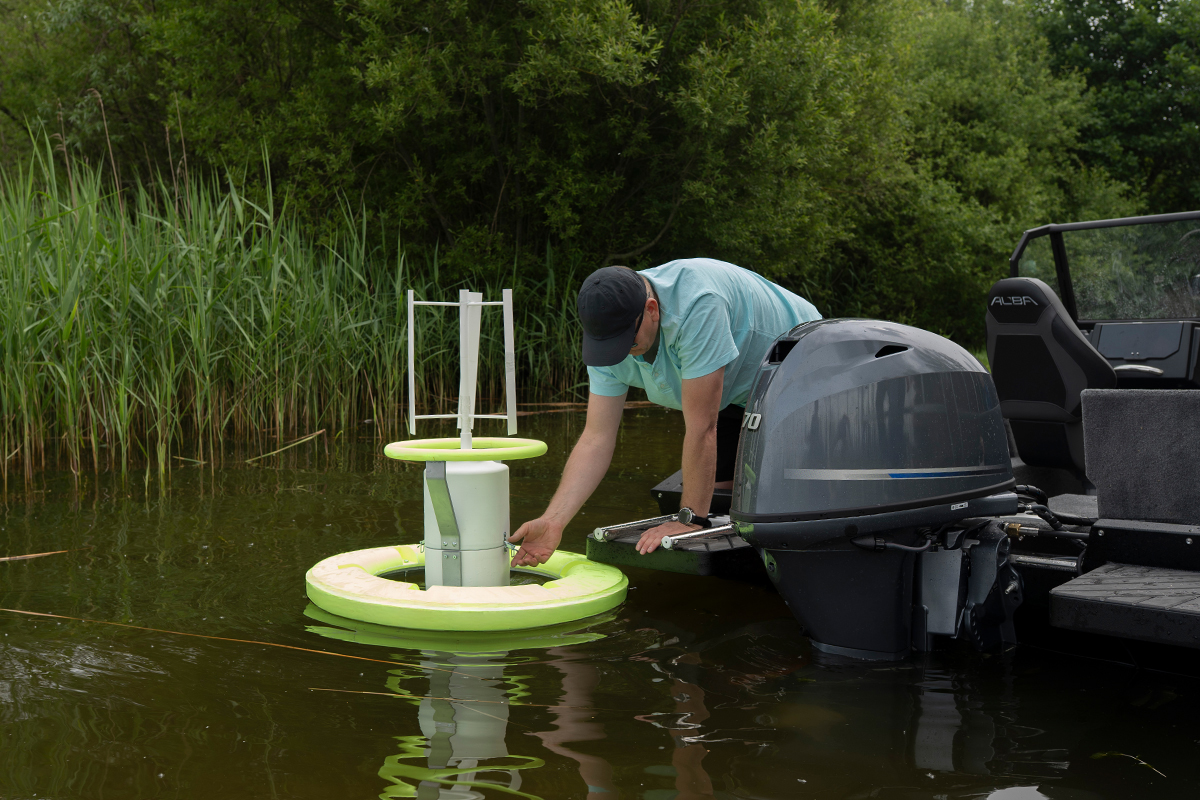
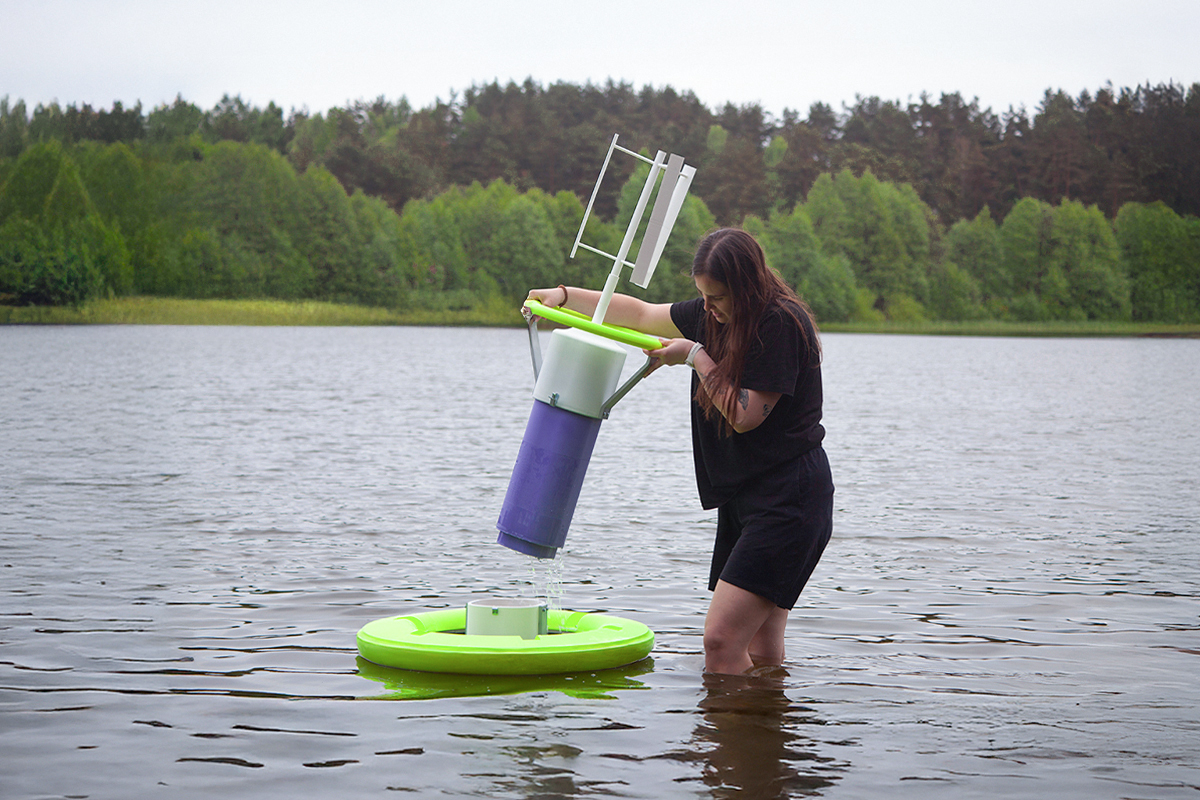
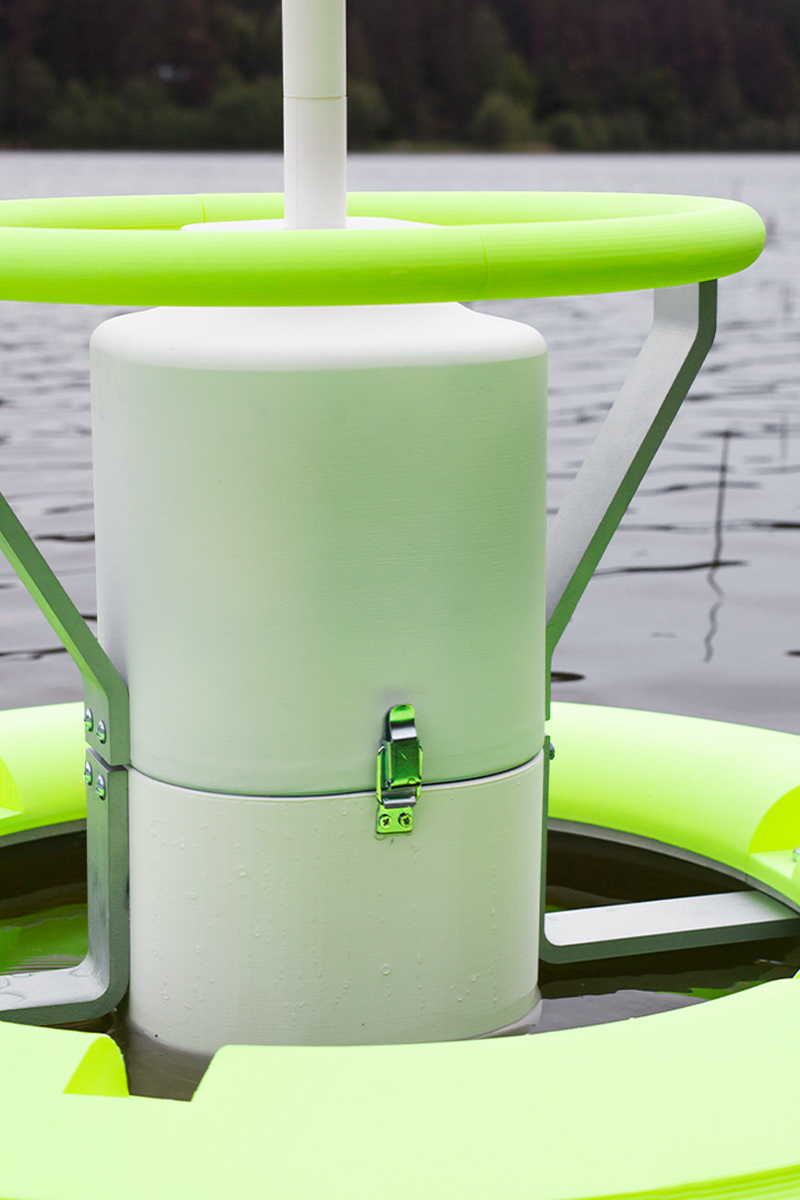
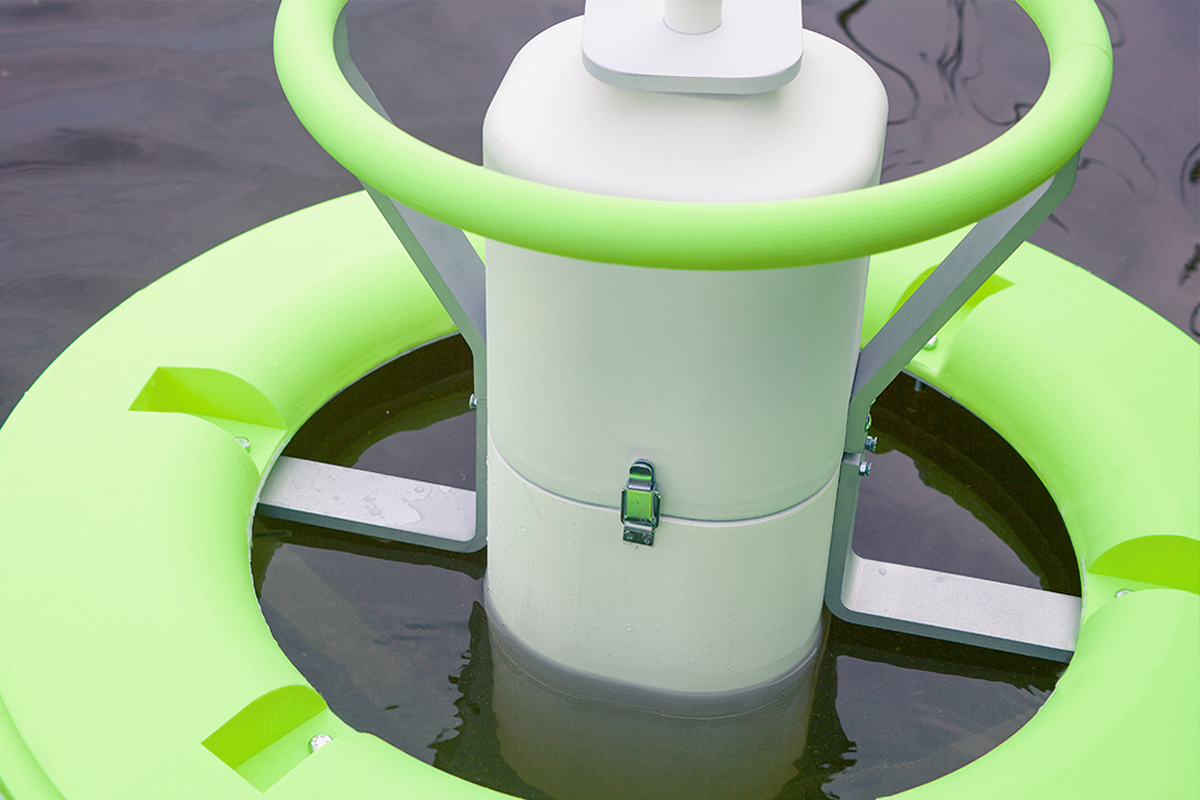
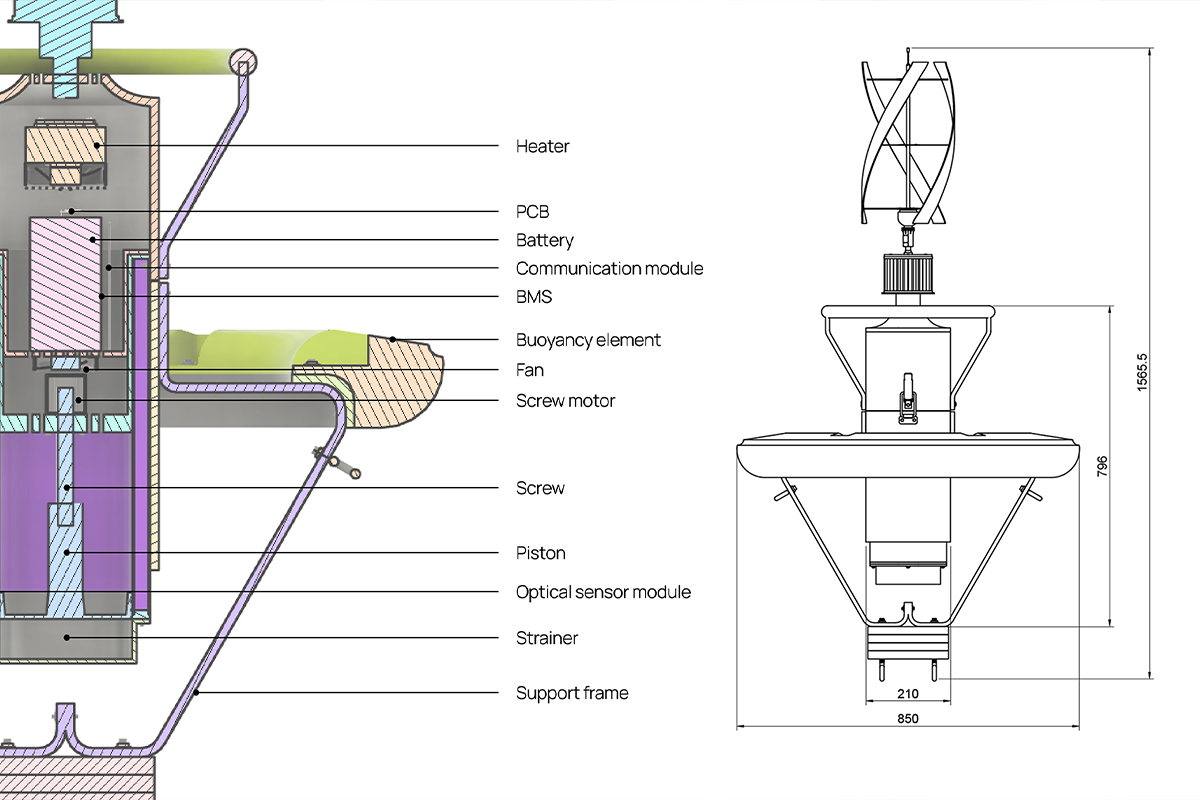
This project seeks to introduce a new approach to water quality monitoring that is simple, accessible, and capable of operating in real time. It takes the form of an autonomous research station that collects water samples using pressure differences, eliminating the need for complex mechanical systems. The measurement module employs UV light to detect petroleum compounds through their characteristic fluorescence. Powered by a wind turbine, the device can operate independently for extended periods. The stations are connected in a network, creating a dynamic water quality map accessible to scientists, public institutions, and local communities. This system enables faster responses to environmental threats and supports informed, data-driven decision-making. The goal of the project is to make knowledge about water quality a shared public resource—accessible to all—because environmental awareness should not be reserved for specialists, but recognized as a fundamental right of every individual.